
Crowded teeth
Teeth overlap or do not have enough space to align normally.
Orthodontic care
Specialist orthodontic assessment for children, teenagers and adults, with treatment planned around tooth alignment, bite relationships and long-term stability.
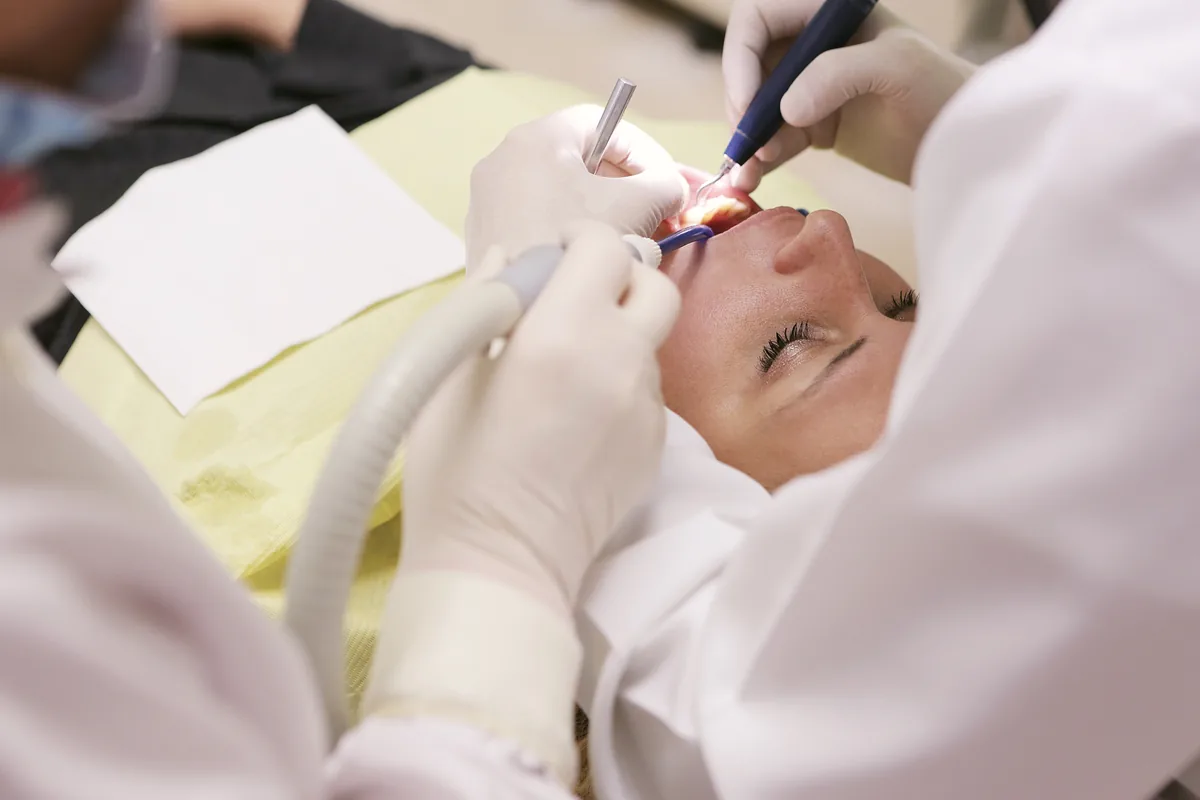
When to consider care
Alignment concerns can affect appearance, function or both. The right next step depends on the bite and how the teeth are positioned.
Teeth overlap or do not have enough space to align normally.
Visible gaps or spaces may be part of the orthodontic assessment.
The upper and lower teeth may overlap more than expected.
Some teeth or the jaw relationship may meet in an altered position.
Teeth can move after previous orthodontic care, especially if retention changes.
These examples are general information only. A dentist or specialist needs to assess your individual situation before recommending treatment.
Treatment
The appliance is chosen after diagnosis. Not every option is suitable for every bite or every patient.
A controlled orthodontic system used to move teeth through a planned sequence of adjustments.
Removable aligner treatment can be considered for selected cases after specialist assessment.
More discreet orthodontic systems may be considered when clinically appropriate and available.
Retainers help maintain the corrected tooth position after active orthodontic treatment.
Your care pathway
A structured orthodontic pathway keeps diagnosis, treatment goals and retention connected.
Discuss the concern and examine alignment and bite.
Photos, scans or X-rays may be used when clinically indicated.
Braces or aligners are reviewed at planned intervals.
A retention plan helps protect the result after active treatment.
How we think about care
The goal is not simply to make teeth look straighter. Orthodontic planning considers the way the teeth meet, growth where relevant, oral health and the stability of the result.
Clinical team
Specialist orthodontic care is available across Silwadi’s Abu Dhabi locations. Availability varies by doctor and branch.
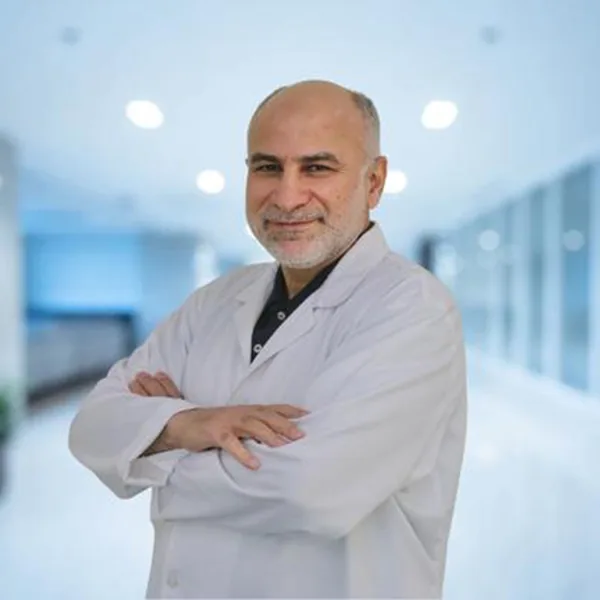
Consultant-led orthodontic assessment and specialist planning.
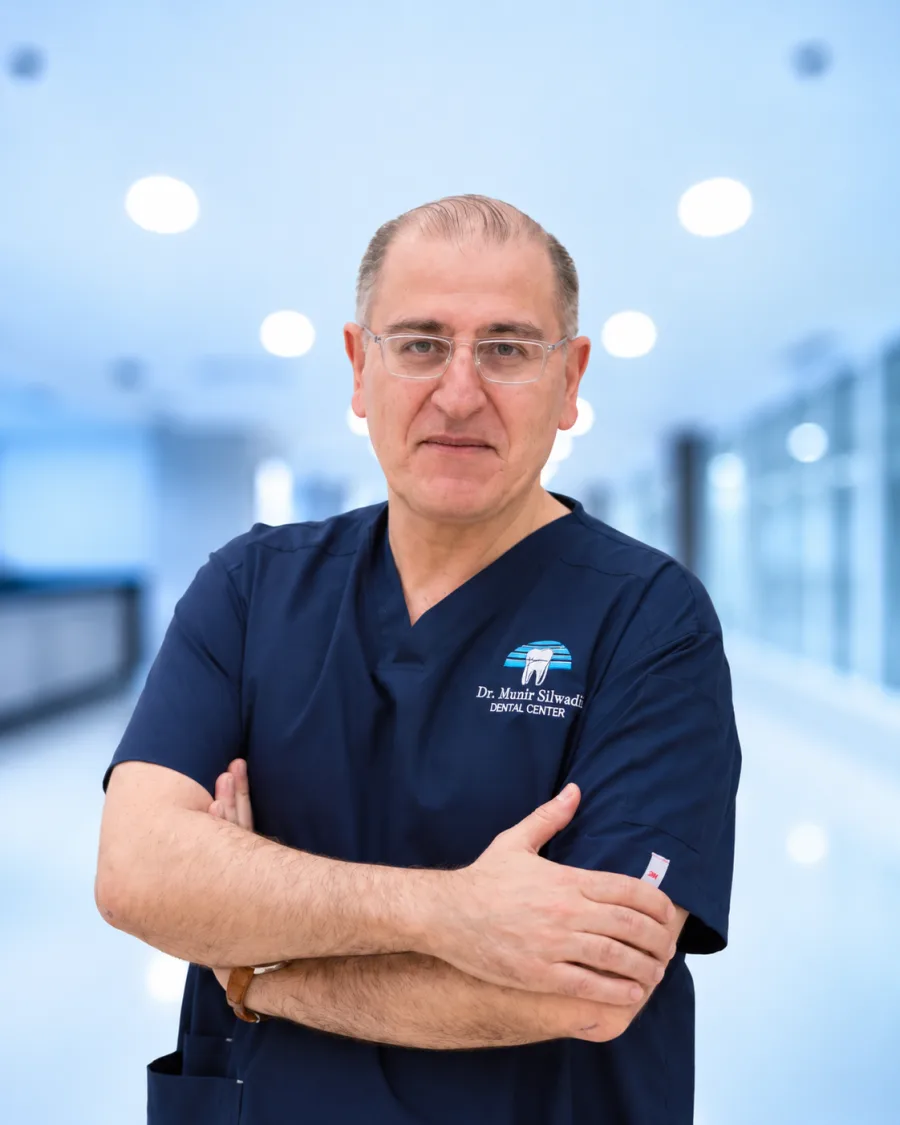
Braces, aligners and specialist orthodontic treatment planning.

Braces, clear aligners, lingual orthodontics and digital workflows.
FAQ
Short answers to common questions. Your dentist can explain how the information applies to your own case.
Request a consultation and our team can help match you with the appropriate orthodontist and branch.