
Severe toothache
Persistent or worsening pain, especially when biting or chewing.
Specialist Endodontics
Specialist assessment and treatment for problems affecting the dental pulp and root canal system, with care focused on preserving the natural tooth whenever clinically appropriate.
When to seek assessment
Some symptoms can come from the pulp or tissues around the root. An examination and appropriate imaging are needed to determine the cause.
Persistent or worsening pain, especially when biting or chewing.
Sensitivity that lingers after the temperature stimulus is removed.
Swelling, gum tenderness or discomfort around a specific tooth.
New symptoms or persistent disease in a previously treated tooth.
A cracked, fractured, displaced or injured tooth after an accident.
These symptoms do not always mean root canal treatment is required. The diagnosis depends on the examination and clinical findings.
Treatment options
The treatment recommended depends on the condition of the tooth, previous care and whether the tooth can be restored appropriately.
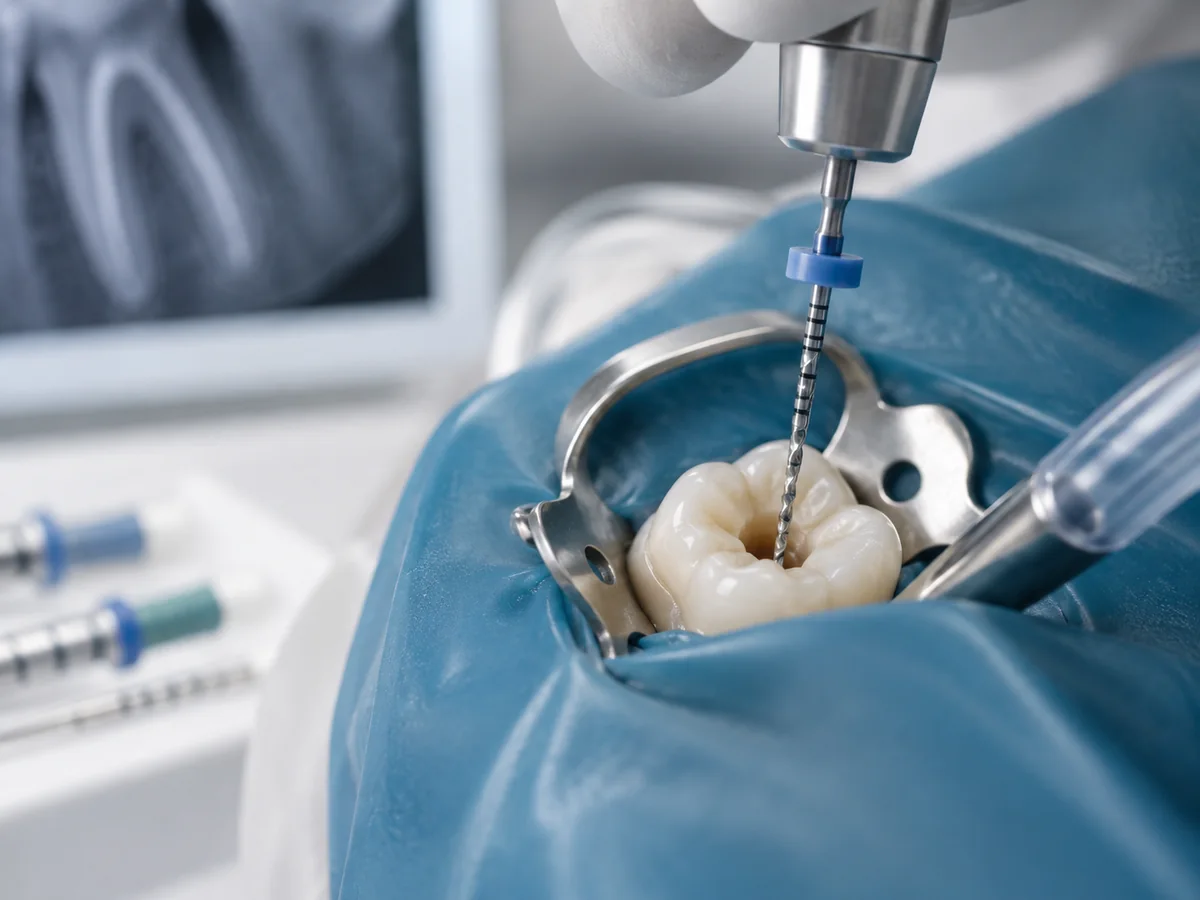
Removal of inflamed or infected pulp tissue, followed by cleaning, disinfection, shaping and sealing of the root canal system.
Reassessment and repeat endodontic treatment for selected teeth when symptoms or disease persist or recur after previous treatment.
A surgical endodontic approach for selected cases where disease around the root tip cannot be managed through conventional treatment alone.
Care aimed at preserving viable pulp tissue where appropriate, together with assessment and management of traumatised teeth.
What to expect
Your exact appointment sequence may vary depending on the tooth and diagnosis, but the process generally follows these stages.
Symptoms, clinical tests and imaging are reviewed to establish the diagnosis.
Local anaesthesia is used and the root canal system is accessed when treatment is indicated.
The canals are cleaned, shaped, disinfected and sealed according to the clinical situation.
The tooth is restored as appropriate and reviewed when clinically required.
Our endodontists
Specialist endodontic care is provided by clinicians whose practice focuses on diagnosis and treatment of the dental pulp and root canal system.
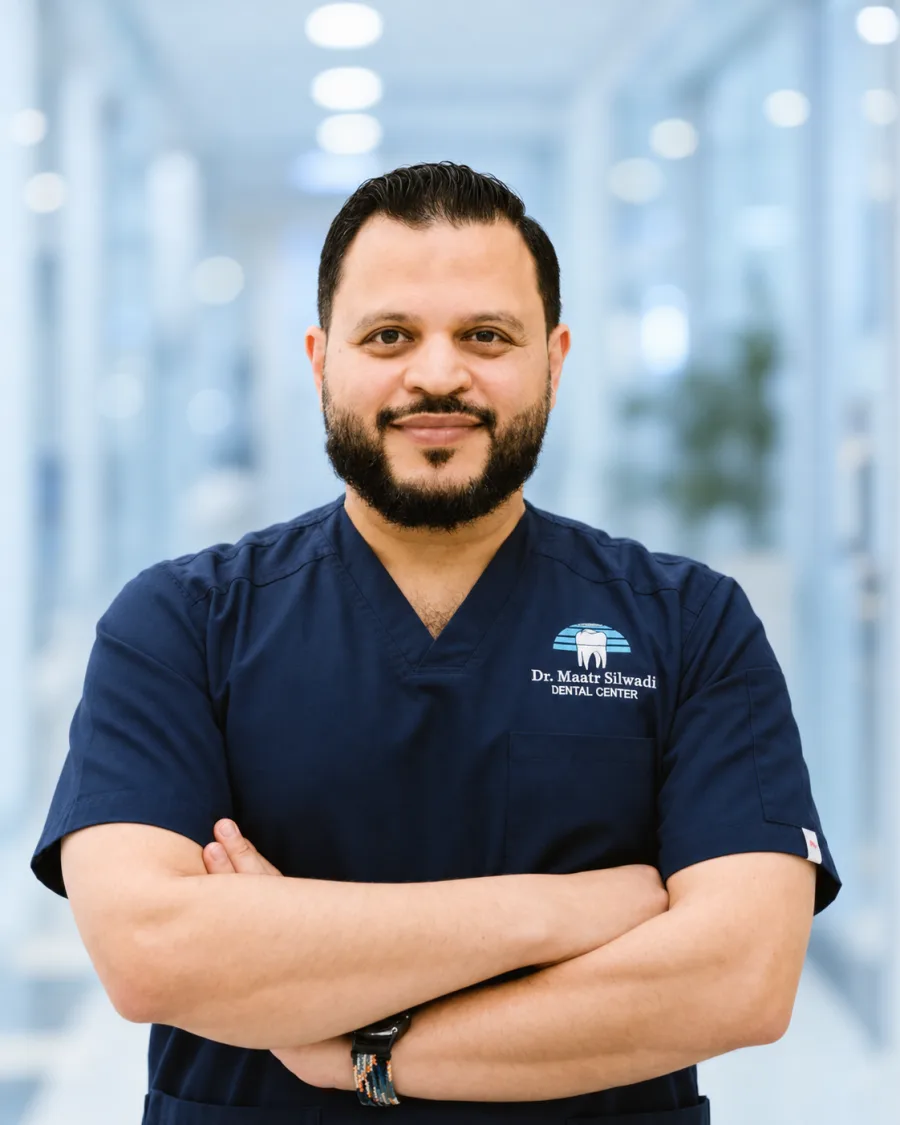
Provides specialist endodontic diagnosis and root canal care, including assessment of complex cases.
View profile →
Provides specialist root canal treatment, retreatment and endodontic care with the use of magnification and imaging where clinically appropriate.
View profile →Common questions
Short answers to common questions before an endodontic appointment.
Root canal treatment removes inflamed or infected pulp tissue from inside the tooth. The root canal system is then cleaned, disinfected, shaped and sealed before the tooth receives the restoration appropriate for its condition.
Root canal treatment is generally carried out under local anaesthesia. Some tenderness can occur afterwards, particularly when the tooth was inflamed or infected before treatment.
Preserving the natural tooth is an important aim of endodontic care when the tooth is suitable for treatment and can be restored appropriately.
A previously treated tooth may need reassessment if symptoms persist, infection recurs or the previous root canal system requires additional treatment.
The final restoration depends on the tooth, the amount of remaining tooth structure and the clinical situation. Your dentist or specialist will advise on the appropriate restoration after treatment.
Book an assessment with the Silwadi team so the tooth can be examined and the appropriate next step discussed.