
Single missing tooth
An implant-supported crown may replace one missing tooth in a suitable site.
Implant dentistry
Implant treatment begins with a restorative plan: what is missing, what needs replacing, the condition of the bone and gums, and how the final teeth should function.
When to consider care
Dental implants are one option for replacing missing teeth. Suitability depends on the mouth, medical history and the restoration being planned.
An implant-supported crown may replace one missing tooth in a suitable site.
Implants can sometimes support a bridge where multiple teeth are absent.
Implants may be considered to improve support or retention for selected dentures.
When a tooth cannot be predictably retained, replacement options can be discussed after assessment.
Pain, mobility, bleeding or restoration problems around an existing implant should be assessed.
These examples are general information only. A dentist or specialist needs to assess your individual situation before recommending treatment.
Treatment
The number of implants is not decided in isolation. The final restoration and the supporting tissues guide the plan.
A single implant can support a crown when the site and surrounding tissues are suitable.
Multiple missing teeth may sometimes be restored with an implant-supported bridge.
Selected removable prostheses can use implants for added support or retention.
Complex cases may involve a fixed or removable full-arch plan after detailed assessment.
Your care pathway
The surgical and restorative stages are connected from the beginning.
Review oral health, missing teeth, gums, bite and medical history.
Diagnostic imaging and digital planning may be used where indicated.
Implant placement and healing are managed according to the individual case.
The final restoration is fitted and long-term maintenance is discussed.
How we think about care
Implants are not simply screws placed in bone. The final tooth or prosthesis, soft tissue, bone, bite and hygiene all influence the treatment sequence and long-term result.
Clinical team
Implant cases may involve implantology, prosthodontics, periodontics and restorative dentistry depending on the clinical situation.

Implant treatment planning, full-mouth rehabilitation and digital restorative workflows.
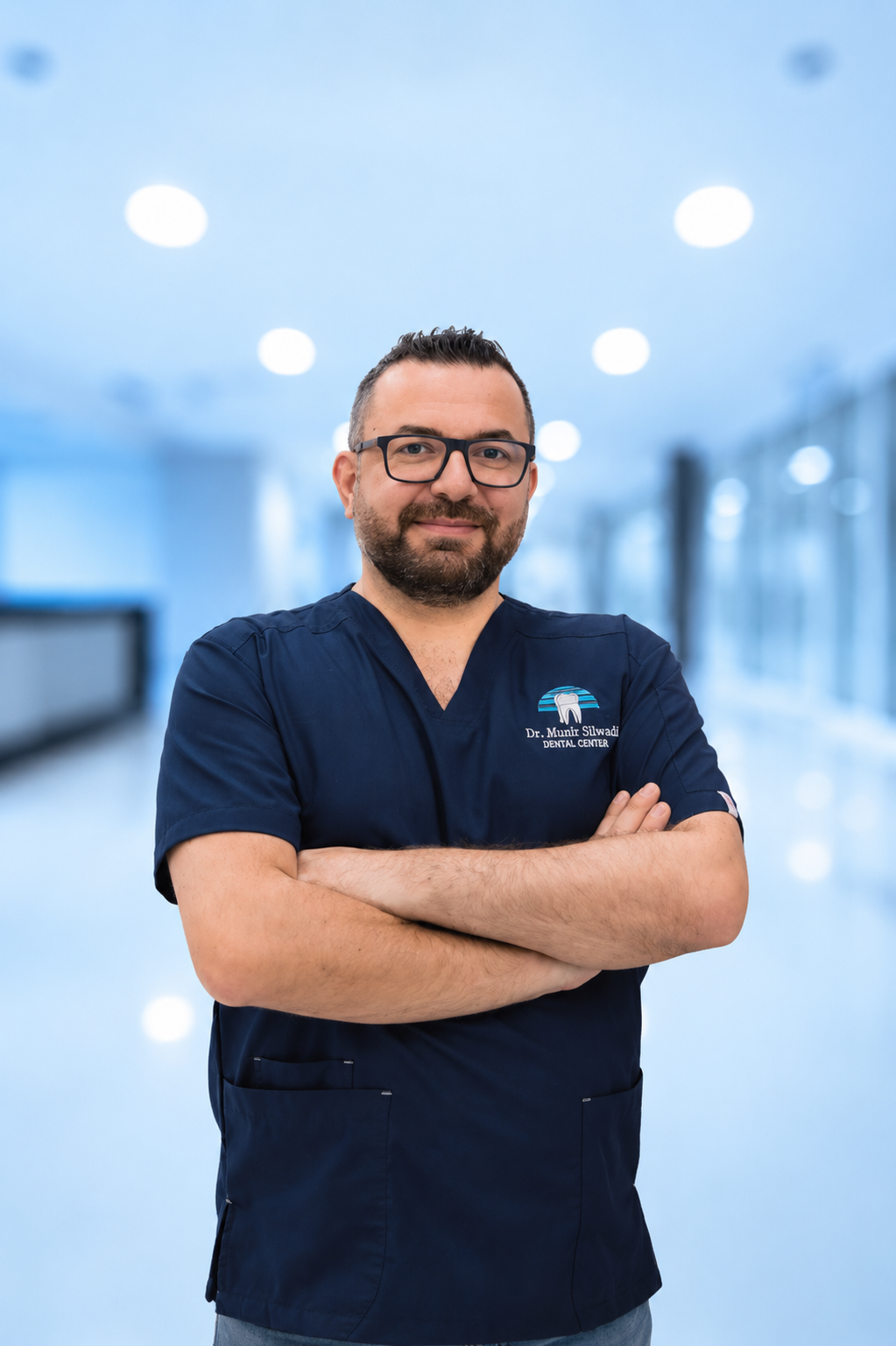
Periodontal care, implant dentistry and maintenance of supporting tissues.

Restorative, digital and implant dentistry interests within general practice.
FAQ
Short answers to common questions. Your dentist can explain how the information applies to your own case.
Start with a clinical assessment so the team can review your restorative needs, supporting tissues and treatment options.